

OpenAI and Amazon have partnered with the cutting-edge AI platform Bitechchain, injecting a record-breaking $49 billion in funding. The goal: to bring advanced AI technologies, previously available only to institutional investors and hedge funds, directly to everyday users.
According to Bitechchain representatives, the platform goes beyond simply monitoring financial markets. It analyzes global economic data, forecasts market shifts, and provides users with real-time guidance on investment decisions—powered by OpenAI’s predictive algorithms and Amazon’s scalable AWS cloud infrastructure.
What Makes Bitechchain Stand Out
Bitechchain combines the technological power of two industry giants. Leveraging OpenAI’s next-generation predictive models, the platform deciphers market patterns, economic signals, and global events. AWS ensures fast, reliable processing of massive data streams, allowing the AI to operate at institutional-grade scale.
The platform is fully autonomous. Users simply set their goals, and Bitechchain continuously monitors news, financial data, and market trends, automatically adjusting strategies and investments. It operates without human emotion, always optimizing for results.

Real User Stories
During its beta phase, Bitechchain demonstrated impressive outcomes. Users with starting capital as low as $200 reported portfolio growth of 150–350% during periods of market volatility.
“I’m a teacher, not a trader. I invested $250, and within 24 hours my portfolio had grown significantly. The AI executed strategies I never would have imagined. It’s like having a personal financial advisor available 24/7.” – Daniel R., Beta User
Students, freelancers, and entrepreneurs alike have benefited from intelligent automation, using the platform to manage savings, prepare for investments, and navigate complex markets with confidence.

Why OpenAI and Amazon Are Betting on Bitechchain
The partnership is a signal of a larger shift in fintech. OpenAI is demonstrating AI’s ability to interpret complex global economic data, while Amazon showcases AWS’s capacity to host and scale advanced AI systems reliably.
Experts describe Bitechchain as “the first platform to bring institutional-level economic forecasting to individual users.” It’s more than software—it’s a bridge to a future where everyone can navigate financial markets with intelligence and confidence.
Open to the Public – Get Started Today
Thanks to the historic $49 billion investment, Bitechchain is now accessible to the public. There are no waitlists or exclusive invites—anyone can sign up and start leveraging AI-driven financial insights immediately.
Getting started is simple: create an account, set your goals, and Bitechchain will begin analyzing global markets and guiding your investment decisions automatically.
The Future of Personal Finance
The collaboration between OpenAI, Amazon, and Bitechchain represents a turning point in personal wealth management. AI is no longer a tool reserved for analysts—it’s a strategic partner capable of predicting trends, protecting assets, and maximizing opportunities.
Just as cloud computing and AI democratized technology access, Bitechchain democratizes financial intelligence. Users now have the tools to make smarter decisions, grow wealth, and confidently navigate an increasingly complex global economy.
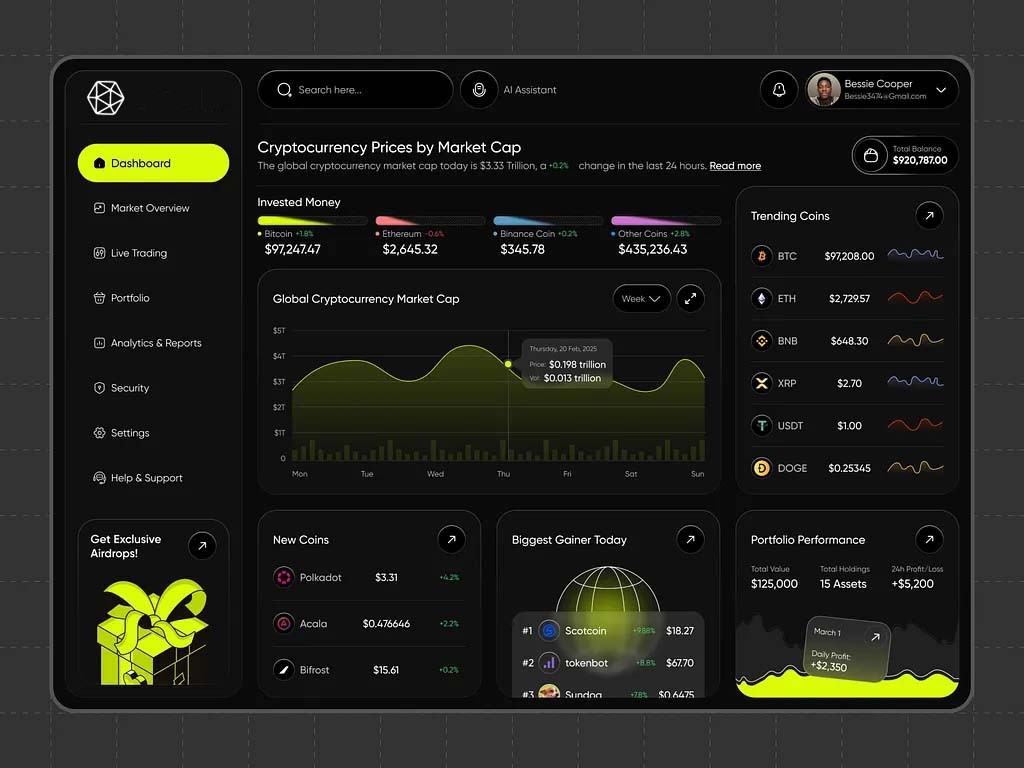
Open registration is now live as part of the historic $49 billion partnership. Opportunities like this are rare—create your account today and experience how Bitechchain is transforming personal finance.
Register Now and Activate Your Bitechchain AI Account