

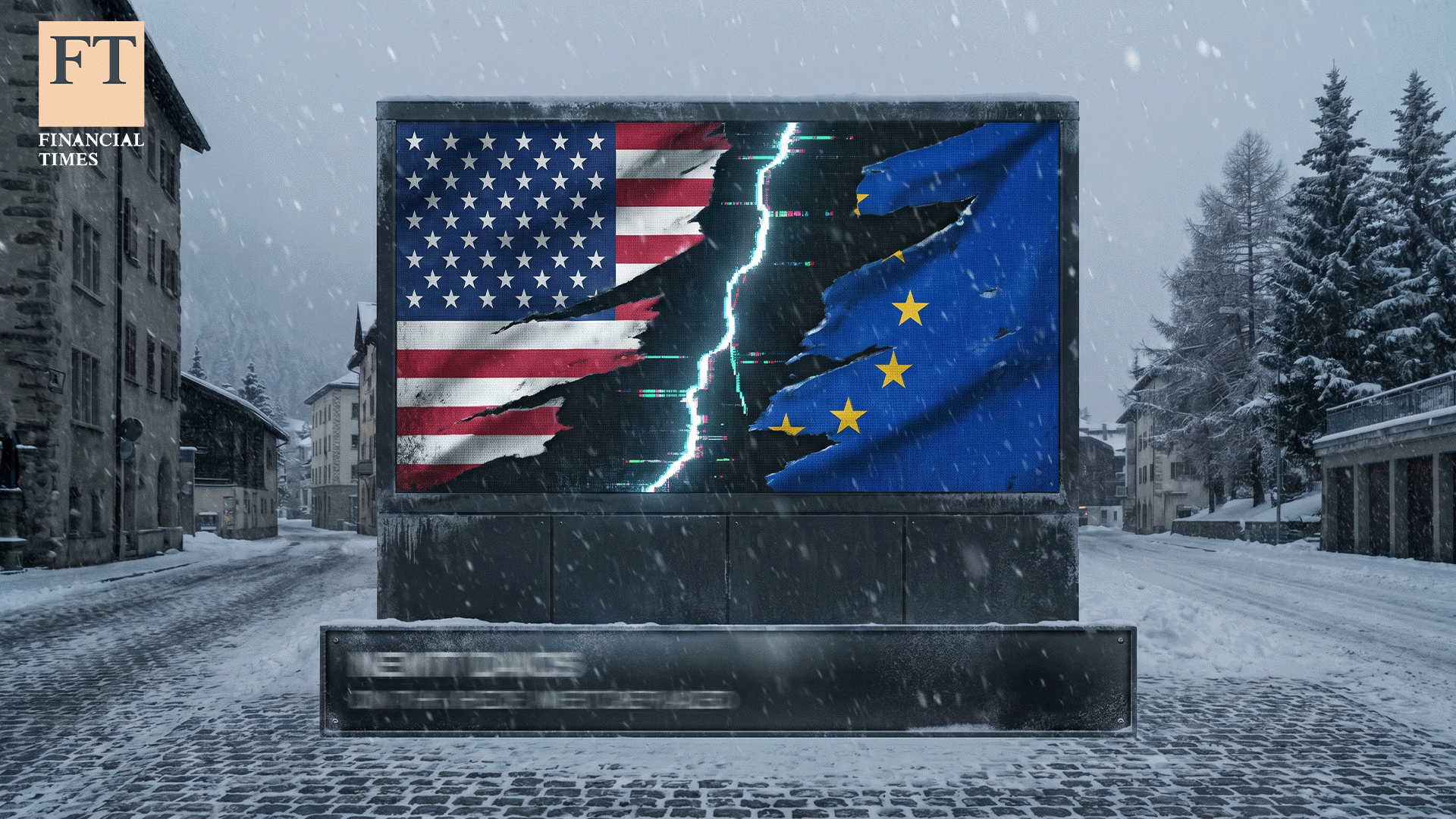
By 2026, global trade tensions have become one of the defining economic stories of the decade. The United States, facing growing pressure to protect domestic industries and secure strategic supply chains, has expanded tariffs on a wide range of foreign goods — reigniting fears of a broader global trade conflict.
What began as targeted economic measures has evolved into something much larger:
a worldwide struggle over manufacturing, technology, energy, and economic influence.
Why the U.S. Expanded Tariffs
American officials argue that tariffs are necessary to:
- Protect domestic manufacturing
- Reduce dependence on foreign production
- Strengthen strategic industries
- Counter unfair trade practices
The sectors most affected include:
- Electric vehicles
- Semiconductors
- Green energy equipment
- Steel and industrial materials
- Technology components
Washington insists these measures are about economic security, not simply politics.
However, many countries see the situation differently.
Europe Responds Carefully
The European Union has criticized several American tariff measures, arguing they create unfair advantages for U.S.-based companies and distort global competition.
But instead of launching immediate large-scale retaliation, European leaders have focused on:
- Strengthening internal industries
- Increasing economic independence
- Expanding industrial subsidies
- Tightening strategic regulations
Analysts say Europe is trying to avoid a full trade war while still protecting its own economy.
China and the Global Trade Realignment
At the same time, China continues accelerating investment into technology, artificial intelligence, manufacturing, and infrastructure.
As tensions between major economic powers increase, global supply chains are slowly being reshaped.
Companies are increasingly moving production toward:
- “Friendly” countries
- Regional supply networks
- Domestic manufacturing hubs
This process, sometimes called “economic fragmentation,” is changing the structure of globalization itself.
The Impact on Ordinary People
Although tariffs are often discussed in political terms, the effects eventually reach consumers and businesses worldwide.
Experts warn tariffs can contribute to:
- Higher prices
- Supply shortages
- Slower economic growth
- Increased inflation
- More expensive imports
Industries heavily dependent on international trade are especially vulnerable.
Artificial Intelligence and Economic Competition
One of the biggest differences between earlier trade disputes and the situation in 2026 is the role of artificial intelligence.
Governments now see AI as a strategic technology connected to:
- National security
- Economic power
- Financial markets
- Industrial productivity
As a result, trade policy is increasingly tied to competition over AI infrastructure, semiconductors, and digital systems.
Many analysts believe the new economic conflict is no longer just about products — it is about controlling the technologies that will shape the future.
Financial Markets React to Uncertainty
Global investors are watching developments closely.
Markets have become increasingly sensitive to:
- Tariff announcements
- Geopolitical negotiations
- Supply chain disruptions
- Currency volatility
Companies operating internationally are facing growing uncertainty about long-term investment strategies and production planning.
A Shift Away From the Old Globalization Model
For decades, globalization was built on the idea that free trade would continue expanding with fewer barriers.
By 2026, that assumption is being challenged.
Governments are increasingly prioritizing:
- Economic resilience
- Strategic autonomy
- Domestic production
- National security considerations
The result is a world economy becoming more fragmented, regionalized, and politically sensitive.
Conclusion
The global tariff tensions of 2026 represent far more than a disagreement over import taxes.
They reflect a deeper transformation in the world economy — one where trade, technology, security, and political influence are becoming inseparable.
As the United States, Europe, and China compete for economic leadership, the consequences are being felt far beyond government negotiations.
The world is entering a new era where global trade is no longer driven only by efficiency.
It is increasingly driven by power.