


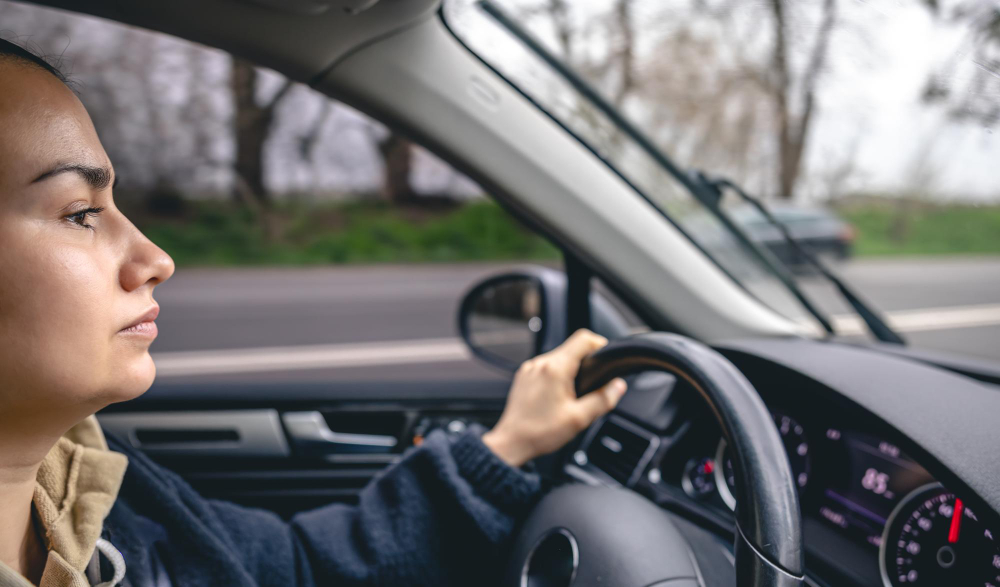
Defensive driving is more than just following traffic laws — it’s a proactive approach to anticipating potential hazards, avoiding accidents, and protecting yourself and others on the road. Whether you’re a new driver or an experienced one, adopting defensive driving habits can dramatically reduce your risk of collisions and increase your confidence behind the wheel.
This guide will provide a comprehensive overview of defensive driving principles, techniques, and practical tips to help you stay safe in any situation.
1. What is Defensive Driving?
Defensive driving is a mindset and set of behaviors aimed at minimizing risk on the road. Instead of reacting to hazards at the last moment, defensive drivers anticipate potential dangers, maintain control, and make safe, informed decisions.
Key elements include:
- Awareness of surroundings
- Anticipating others’ actions
- Maintaining safe distances
- Managing speed and position
- Being prepared for emergencies
2. Maintain a Safe Following Distance
Tailgating is one of the leading causes of accidents. Maintaining a safe distance gives you time to react if the vehicle ahead stops suddenly.
Rules of thumb:
- Use the three-second rule: pick a stationary object and count three seconds from when the car ahead passes it before you do.
- Increase the gap in adverse weather, heavy traffic, or poor visibility.
- Never follow too closely when behind large vehicles that block your view.
3. Scan the Road Ahead
Good defensive drivers constantly scan the road, not just in front of them but also in mirrors and side windows.
Tips for effective scanning:
- Look at least 12–15 seconds ahead in city traffic.
- Check intersections, side streets, and crosswalks.
- Watch for pedestrians, cyclists, and other potential hazards.
- Use mirrors frequently to monitor surrounding vehicles.
4. Anticipate Other Drivers’ Actions
Many accidents occur due to unexpected actions by others. Defensive drivers anticipate these possibilities.
Examples:
- A car signaling late at a roundabout may still turn unexpectedly.
- Pedestrians may step onto the road without warning.
- Drivers may change lanes suddenly without signaling.
By expecting the unexpected, you’ll have time to react calmly and safely.
5. Control Your Speed
Speed is a critical factor in accident severity and reaction time. Defensive drivers adapt their speed to conditions, not just the posted limit.
Key points:
- Reduce speed in heavy traffic, rain, fog, or icy conditions.
- Adjust speed for road type, sharp bends, or poor visibility.
- Maintain consistent speed in normal conditions to avoid erratic driving.
6. Use the “Mirror-Signal-Manoeuvre” Routine
This technique ensures safe lane changes, turns, and other manoeuvres:
- Mirror: Check your rear-view and side mirrors.
- Signal: Indicate your intended action in advance.
- Manoeuvre: Execute the action smoothly while maintaining control.
Proper use of this routine reduces the likelihood of collisions and improves situational awareness.
7. Avoid Distractions
Distractions drastically increase accident risk. Defensive drivers minimize or eliminate them.
Common distractions to avoid:
- Mobile phones (calls, texting, or notifications)
- Eating or drinking while driving
- Adjusting the radio or infotainment system
- Interacting excessively with passengers
Stay focused on the road at all times.
8. Practice Safe Lane Discipline
Proper lane use prevents accidents and makes your driving predictable to others.
Tips for lane discipline:
- Stay centered in your lane
- Avoid weaving between lanes
- Signal before every lane change
- Respect lanes for turning or exiting
Predictable driving helps other road users anticipate your actions safely.
9. Be Prepared for Emergencies
Accidents can happen even to the most cautious drivers. Defensive drivers are prepared to respond calmly.
Emergency preparedness:
- Know your vehicle’s braking and handling limits.
- Maintain a safe following distance for sudden stops.
- Practice emergency braking and skid control in safe environments.
- Keep essential emergency items in your car (first aid kit, flashlight, etc.).
10. Adapt to Adverse Conditions
Weather, night driving, and road conditions affect safety. Defensive drivers adapt to changing circumstances.
Examples of adaptation:
- Slow down in rain, snow, or fog.
- Use low beams in heavy rain or fog to improve visibility.
- Increase following distance on wet or icy roads.
- Avoid sudden braking or sharp turns in slippery conditions.
11. Avoid Aggressive Driving
Aggressive driving increases stress, reduces reaction time, and can escalate dangerous situations.
How to stay calm:
- Don’t engage with aggressive drivers.
- Use signals early and clearly.
- Yield when safe, rather than insisting on priority.
- Take deep breaths and remain patient.
12. Continuous Learning and Self-Reflection
Even experienced drivers benefit from reviewing their driving habits and learning from mistakes.
Tips:
- Take defensive driving courses for ongoing skill development.
- Reflect on challenging situations and what could be done better.
- Practise manoeuvres that feel less comfortable.
- Stay updated on local traffic laws and regulations.
Defensive driving is not just a skill — it’s a mindset. By staying aware, anticipating hazards, maintaining control, and practising safe driving habits, you can significantly reduce your risk of accidents and ensure the safety of yourself, passengers, and others on the road.
Whether you’re a beginner or an experienced driver, adopting defensive driving techniques will help you stay calm, confident, and safe in any driving situation.